)
)
Middle East — After the Shock: Building Competitive Advantage Through Resilience
Key Insights from the RWN Executive Briefing: 16 March 2026
Geopolitical events have always carried business risks. What has changed is the speed at which they translate into operational reality. The current conflict in the Middle East is no longer a distant news story. It is creating active disruption across energy markets, logistics networks, personnel mobility, and corporate continuity planning for thousands of organisations with regional or global exposure.
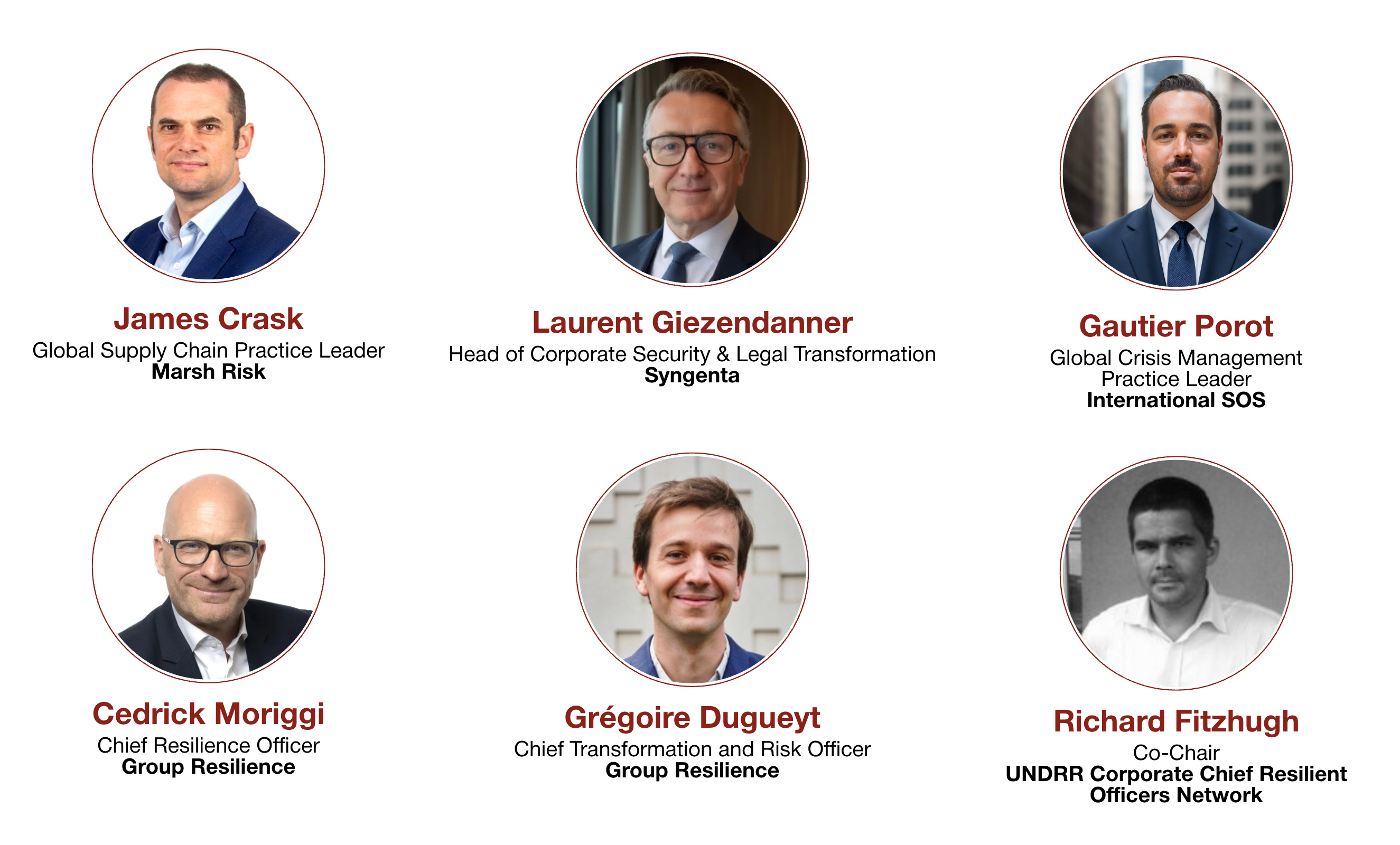
The RWN Executive Briefing, produced in collaboration with Group Resilience and Energy Events Experts (E3), brought together senior practitioners in risk resilience, supply chain, and crisis management, including James Crask, Global Supply Chain Practice Leader at Marsh; Laurent Giezendanner, Head of Corporate Security & Legal Transformation at Syngenta; Gautier Porot, Global Crisis Management Practice Leader at International SOS; Cedrick Moriggi, Advisory Committee Chairman at RWN; Gregoire Dugueyt, Chief Transformation and Risk Officer at Group Resilience; and Richard FitzHugh, Deputy Chair, UNDRR Chief Resilience Officers Network.
The objective was to provide decision-focused clarity on what is happening and what leaders need to do now.
This is not a situation that supports a “wait and see” approach. Organisations managing the situation most effectively are already taking action.
The Current Risk Landscape
The escalation in the Middle East is creating a rapidly evolving risk environment for organisations with global exposure. Rather than a single disruption, leaders are facing a convergence of pressures affecting people, markets, operations, and supply chains simultaneously. Events in the region are translating quickly into operational and financial impacts for businesses worldwide.
A central feature of the situation is the use of differing strategic approaches, contributing to a prolonged and geographically expanding risk environment. These dynamics are creating increased uncertainty and interconnected pressures across regions.
Understanding these interconnected risks, both short- and long-term, is therefore critical for organisations seeking to protect their people, maintain continuity, and manage volatility.
Duty of Care
Employee safety and wellbeing remain the priority during geopolitical crises. Employers must ensure they are fulfilling their legal and reputational responsibilities to protect employees working in or travelling through affected regions.
People Resilience
Organisations must reassess personnel exposure, ensure clear and reliable crisis communication, and support the stability of their people across affected regions. In situations where disruption extends beyond the workplace, resilience depends not only on protecting employees but also on sustaining the wider human networks — families, partners, and communities — that enable organisations to continue operating.

Market Volatility
The evolving situation is contributing to increased volatility across global energy markets. The disruption to oil and gas markets has a direct impact on immediate derivates, energy hungry industries and distribution. Ultimately, it increases uncertainty, costs, and disruption for everyone.
Business and Operational Continuity
Organisations with assets, partners, suppliers or customers in the Middle East are facing operational uncertainty. Infrastructure stress, energy dependencies, and regional instability are creating real-time continuity challenges.
Travel Disruptions
Airspace restrictions and security considerations are disrupting both commercial travel and corporate mobility, affecting the movement of personnel and business operations.
Supply Chain Risks
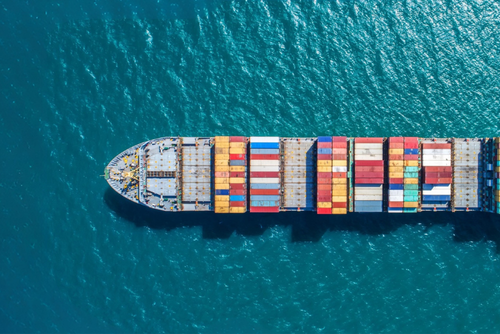
Strategic maritime corridors such as the Strait of Hormuz and the Red Sea remain under pressure. Rerouting shipments and adjusting logistics networks are increasing costs and delivery times.

The Three Immediate Areas of Action
The central message from the briefing was clear: resilient organisations are not simply reacting — they are already operating differently. Leaders should focus on three immediate areas of action to protect people and maintain operational resilience during this crisis.
1. Duty of Care
Ensure that you have considered both your legal and reputational Duty of Care. The legal responsibility requires a trio of decisions to be made based on the following considerations:
- Who are the people that you have a ‘proximate’ responsibility for? In most cases, this proximate responsibility will extend to all employees at minimum.
- Are the events or consequences ‘foreseeable’?
- Can your action or inaction make a difference to the outcome?
By contrast, the reputational Duty of Care requires you to consider how your actions will be judged in the court of public opinion. It is a far looser consideration, but in a world where reputation is hard won and lost in an instant, it is worth considering how your action can impact your brand equity.
2. Supply Chain
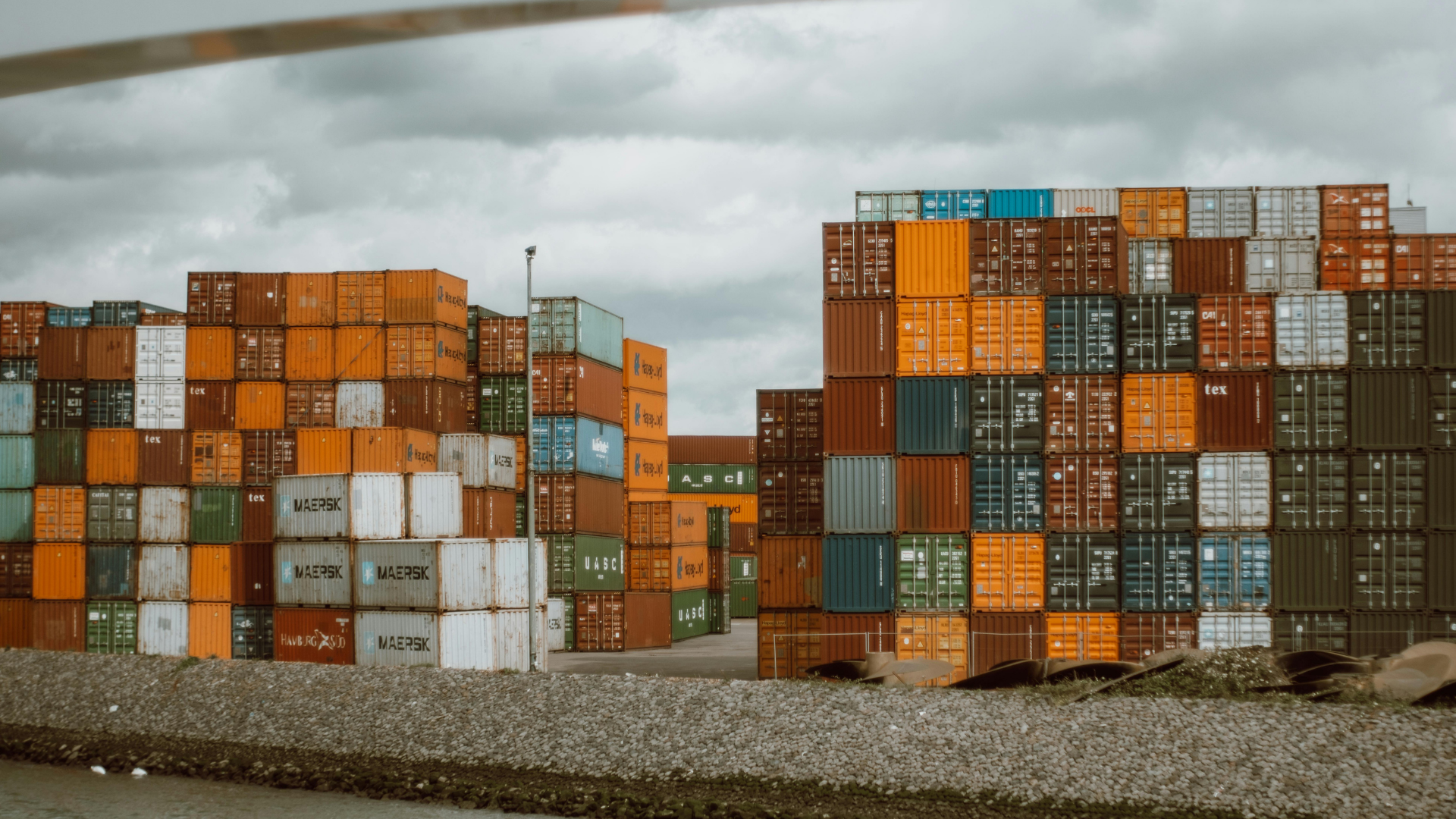
Conduct supply chain impact analyses at local, regional and global levels, and put contingencies in place before your primary supply chain is affected. Mapping critical dependencies and identifying alternative suppliers or logistics pathways can significantly reduce vulnerability to cascading disruptions.
3. Business Continuity
Once you have identified your critical business activities, stress test contingencies against the three core interruption scenarios: loss of people, loss of facilities or equipment, and loss of services or supplies. Regularly reviewing these scenarios ensures that response plans remain practical, coordinated, and adaptable under pressure.
Leadership in a Crisis: The Capability Gap
The briefing addressed a reality that risk frameworks often overlook in fast-moving crisis; the quality of leadership decision-making often matters more than the sophistication of the risk register.
The critical leadership challenges discussed were not technical — they were behavioural. Making sound decisions under uncertainty and incomplete information is important. Maintaining clear stakeholder communication without amplifying anxiety. Sustaining organisational confidence and direction when the situation evolves faster than the playbook.
The distinction that emerged repeatedly was between reactive crisis management — responding to events as they unfold — and structured crisis leadership, where decision frameworks, communication hierarchies, and escalation protocols are already in place.
The former is exhausting and error prone. The latter is a trained capability. Organisations that demonstrated this capability during recent disruptions built it long before they needed it.
Resilience as Competitive Advantage
One of the most significant reframes in the discussion was the shift away from treating resilience purely as a defensive capability, to how it can be exploited for competitive advantage.
Geopolitical disruption does not affect all organisations equally. It often amplifies existing differences in organisational capability and preparedness.
Organisations with strong resilience capabilities are able to maintain operations while competitors may be forced to halt activities. They retain talent because employees trust the organisation to keep them safe and informed, and they sustain customer, supplier, market and investor confidence by demonstrating structured and disciplined responses to uncertainty.
As a result, many emerge from periods of disruption having gained market share, strengthened supplier relationships, and improved operational processes under pressure.
In a world where geopolitical volatility is becoming a persistent feature rather than an exceptional event, organisations that treat resilience as a strategic capability instead of a compliance requirement will be far better positioned for the decade ahead.
Key Takeaways
- The conflict reflects elements of asymmetric warfare, with strategies that aim to prolong instability and expand its geographic impact.
- Identify critical business activities, stress test the contingencies against interruption scenarios.
- Conduct supply chain impact analysis at local, regional, and global levels.
- Monitor the situation, identify triggers for each alert level, and decide actions based on them.
- Being caught out by the rapid deterioration in the situation is tolerable. Failure to manage Duty of Care and to plan for longer term impacts to deliver competitive advantage is not.

Looking Ahead
The current situation in the Middle East will continue to evolve. What it has already demonstrated is that the risk environment for global organisations is structurally more volatile than it was five years ago. Many organisations that were designed to operate in relatively stable and predictable conditions are increasingly finding themselves underprepared for what lies ahead.
The leaders who attended this briefing are not focused on predicting geopolitical outcomes. Their priority is ensuring that their organisations can continue to operate, adapt, and compete regardless of how events unfold.
This capability, organisational resilience, is becoming one of the most important strategic investments a leadership team can make.
These are precisely the kinds of challenges that the Resilience World Nexus Summit will explore. The summit convenes C-suite executives and senior leaders who recognise that resilience drives performance, protects value, and secures long-term growth. It is a forum where global decision-makers come together to shape strategies that anticipate disruption, manage risk, and turn uncertainty into advantage. Join us in London (Church House Westminster) on the 6-7 of October.
#Resilience #SocietalResilience #BusinessContinuity #CrisisManagement #RWNSummit