)
)
)
Building Resilience in the Face of El Niño
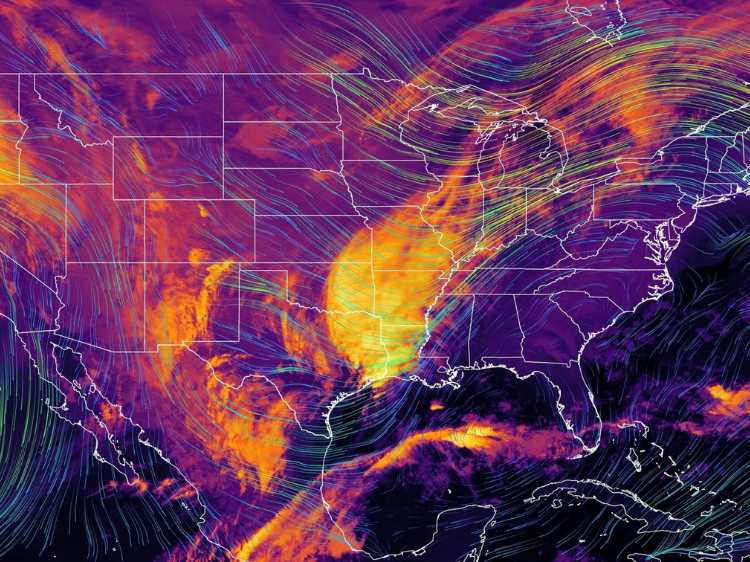
Off the coast of Peru, fishing yields are collapsing as unusually warm waters displace the cold, nutrient-rich currents that sustain marine life. Thousands of miles away, agricultural output across southern Africa is falling as drought tightens its grip on the region. To most business leaders, these feel like distant, unrelated problems. They are neither distant nor unrelated, and the organisations that understand the connection will be better placed than those that do not.
- The creeping threat is known as El Niño, and scientists are predicting its strong return in late 2026 and into 2027.
The El Niño Climate Event
This event is a naturally occurring climate phenomenon that Peruvian fisherman in the 1600s named El Niño de Navidad, ‘the Christ Child’. This phenomenon, originating in the tropical Pacific Ocean, is one half of the broader climate cycle known as the El Niño Southern Oscillation (ENSO), which alternates between El Niño’s warming phase and La Niña’s cooling phase. These events occur every two to seven years and they last between 9 to 12 months but can persist longer. The two phases also do not necessarily alternate, with El Niño occurring more frequently than La Niña.
The 2023-24 El Niño was one of the strongest on record, driving unprecedented global temperatures and widespread disruption across agriculture, energy, logistics and beyond [2]. In 2023, global temperatures reached approximately 1.45°C above pre-industrial levels, before rising to around 1.55°C in 2024. Although long-term anthropogenic climate change remains the primary driver of this warming trend, the 2023-24 El Niño amplified global temperatures and helped push them to record highs [9]. With the recent La Nina phase coming to an end, climate scientists are now forecasting El Niño’s return in late 2026 and into 2027. Initial signs are pointing to it being particularly strong, with a predicted temperature rise of 2-3°C above-average earning it the label ‘Super El Niño’ [1].
Global Disruption
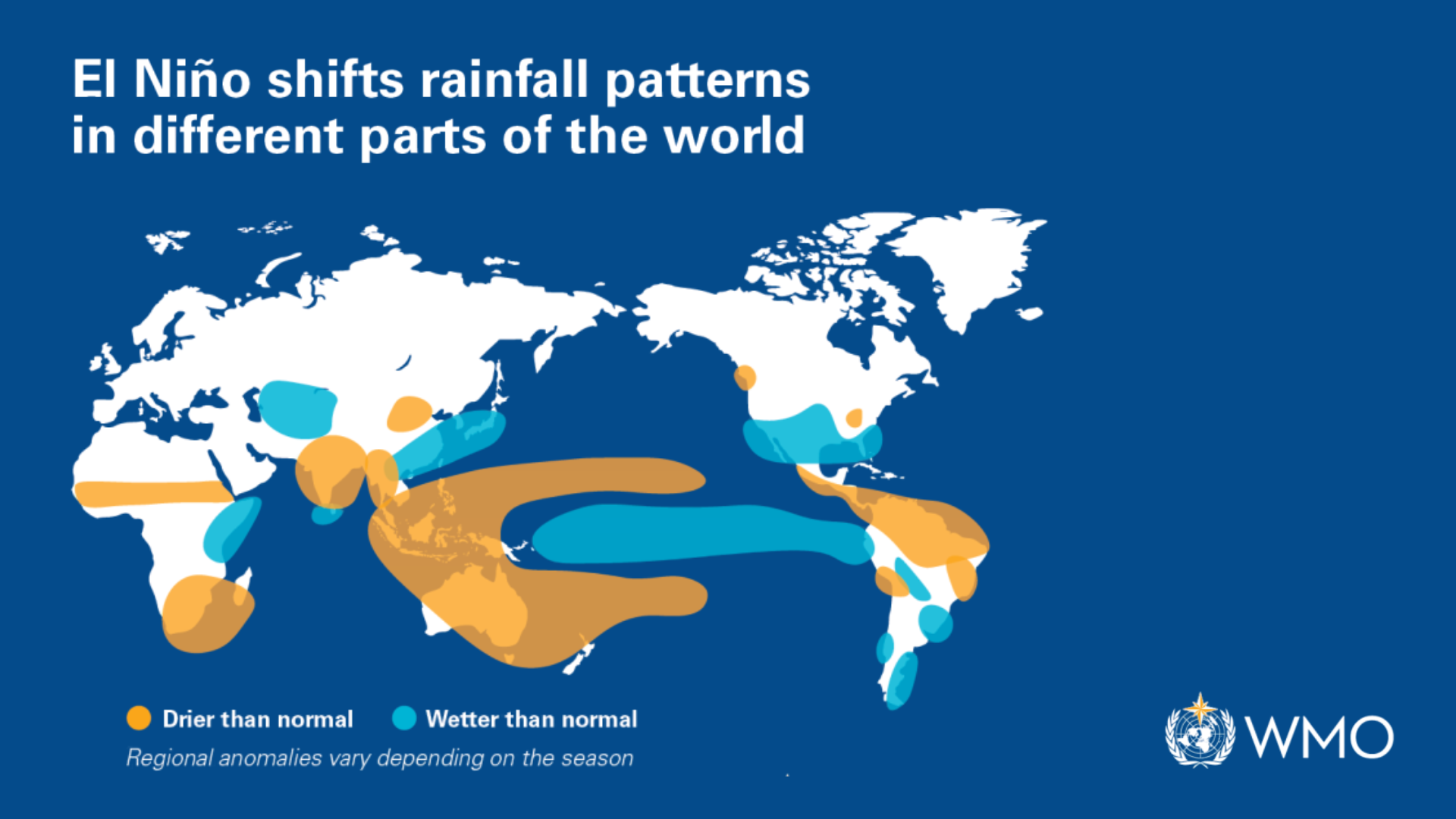
While the event originates in the Pacific, its disruptions are felt across the entire globe, often intensifying extreme weather events together with human-related climate change. While the consequences are different each year and vary depending on the region and the time of the year, scientists have observed a common set of effects that occur during El Niño – some of which can alter ecosystems for decades to come, as previous intense events have demonstrated.
-
Temperatures: El Niño typically raises global average temperatures and has been associated with record-breaking heat worldwide. However, its regional effects are uneven, meaning some locations may experience cooler-than-average conditions despite the overall warming trend.
-
Off the west coast of South America, less cold water causes fewer nutrients to rise from the bottom of the ocean. This leaves marine species with less available food, reducing stock for South American fishing communities [2].Coral bleaching and even mortality is another by-product of the unusually hot ocean temperatures [4].
-
Rainfall: El Niño redistributes global rainfall patterns, bringing increased rainfall and flooding to some regions while causing severe drought, heatwaves, and wildfire conditions in others. These shifts can become particularly severe in vulnerable regions such as the Central American Dry Corridor – a climate-vulnerable region stretching across Guatemala, El Salvador, Honduras, Nicaragua, and parts of Costa Rica and Panama – where prolonged drought threatens food security and livelihoods [3].
-
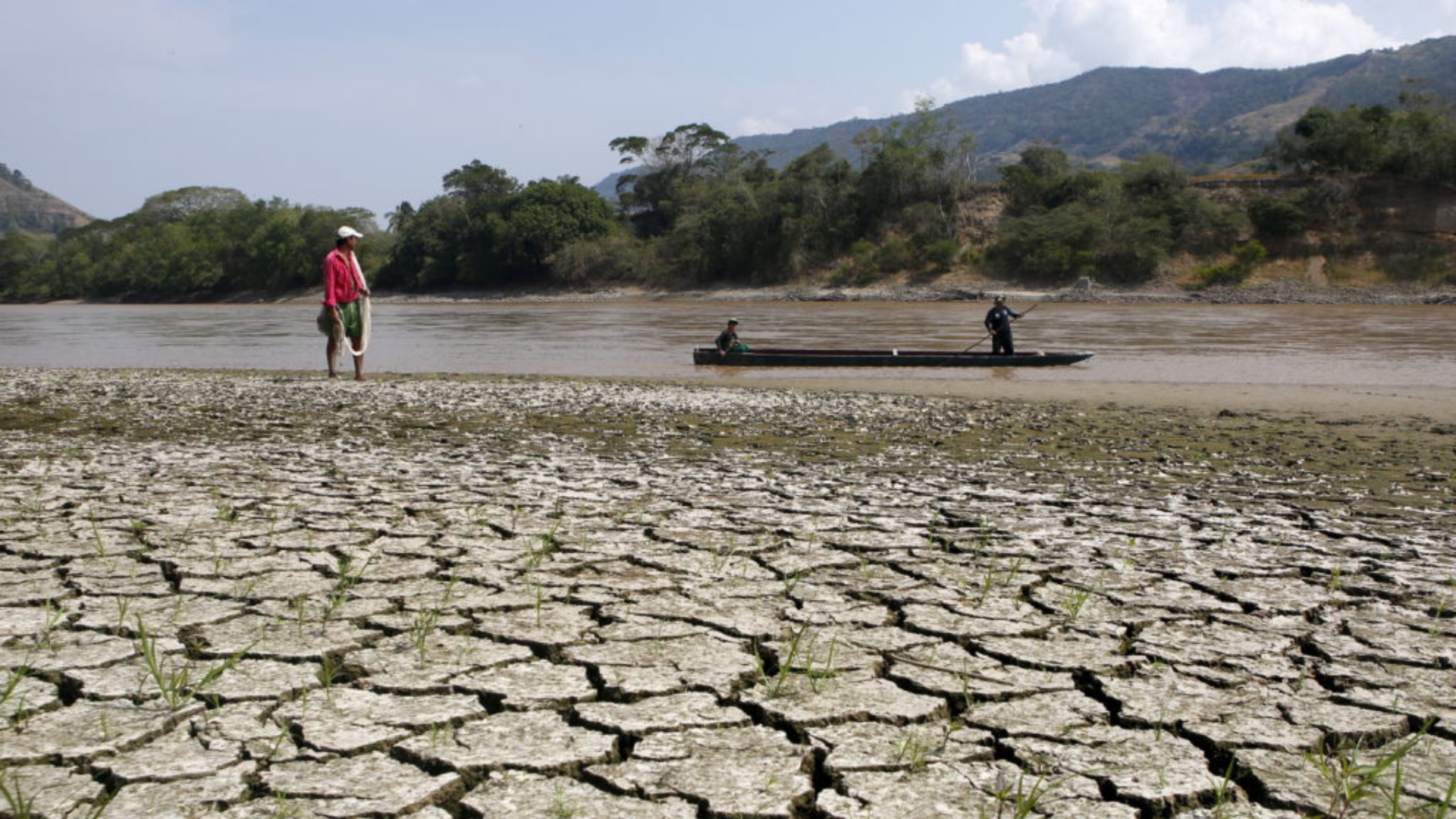
Reduced rainfall threatens water access, with water scarcity in turn affecting not only crops and food security but also increasing public health risks related to access to safe water and hygiene [1,3].
-
Tropical Storms: The frequency of tropical storms increases in the tropical Pacific, whereas it decreases in the tropical Atlantic.
The concern is heightened by evidence that strong El Niño events, when combined with long-term human-driven warming, can contribute to pushing global temperatures toward critical climate thresholds, increasing the risk of more severe and potentially irreversible impacts [6].
Why does this matter for organisations across the world?
The 2015-16 ‘Godzilla El Niño’ was one of the strongest on record, with droughts and flooding caused by the event affecting the food security of more than 60 million people [5]. A ten-year FAO analysis found that 25% of all damage caused during natural disasters falls on the agriculture sector, with drought absorbing around 84% of all economic impact – making food and agricultural supply chains one of the highest-risk areas for organisations operating in El Niño-exposed regions, particularly drought-prone areas of Central America, southern Africa, Southeast Asia, Australia, and parts of South America [5].
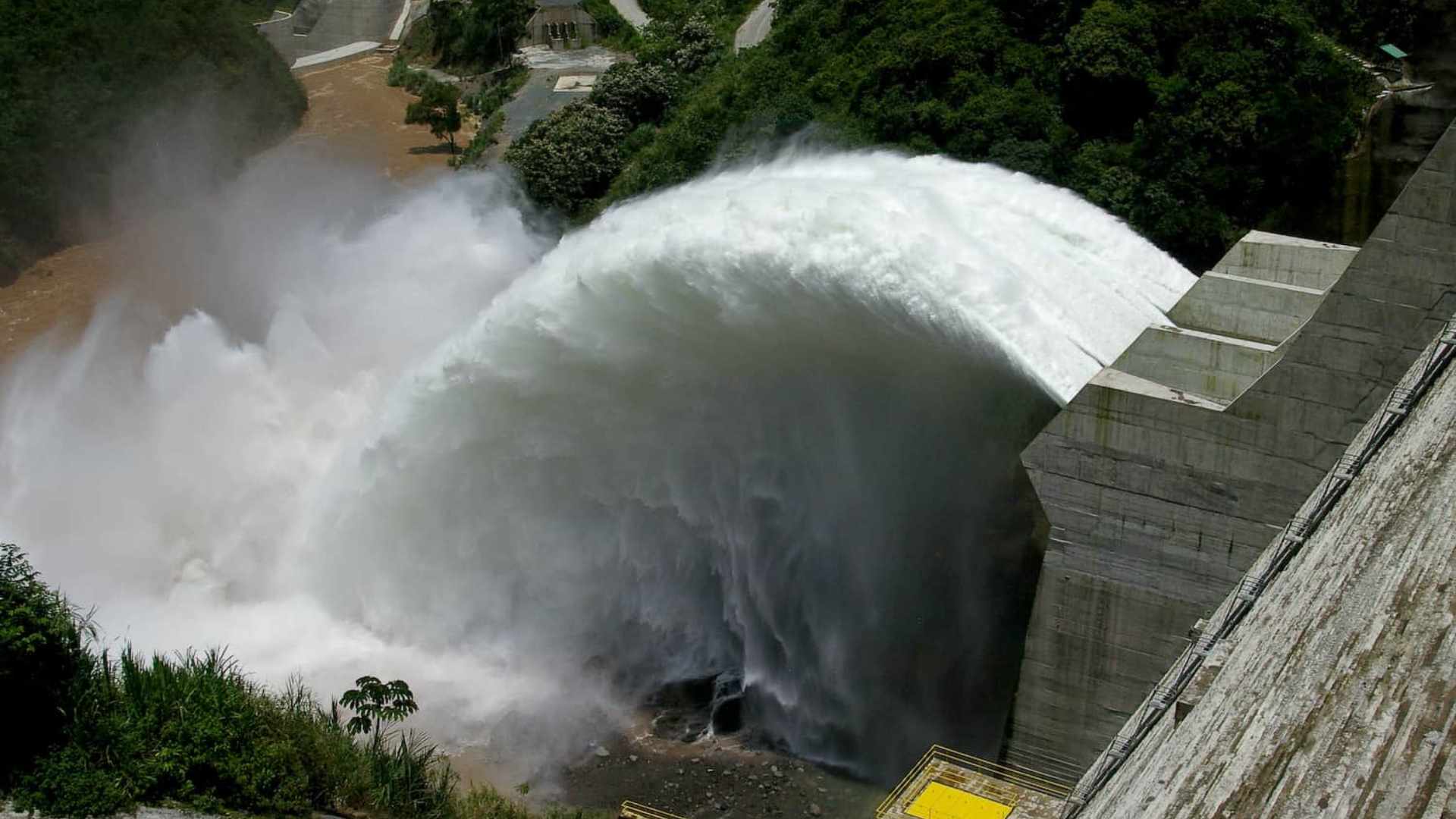
Beyond affecting food and water supplies, the impacts of El Niño can disrupt energy generation through drought-related reductions in hydropower capacity, damage transport and utility infrastructure through flooding and extreme weather, interrupt supply chains by affecting agricultural production and logistics networks, and place additional strain on workforce health through heat stress and climate related hazards. These disruptions can alter consumer demand and create significant financial and operational risks for organisations across multiple sectors.
When particularly powerful, the impacts are not simply environmental; they are socioeconomic shocks capable of reshaping labour markets, public health, trade flows and long-term development trajectories. For organisational leaders, this means that El Niño is not a background weather event to be monitored – it is a foreground business risk that demands the same strategic attention as any other threat to operations, people, and long-term performance.
The 21st century alone could see a staggering potential global economic loss of $84 trillion at the hands of El Niño, as suggested by one study that reviewed the effects of El Niño on global economic growth [7]. They attributed $4.1 trillion in global income losses to the 1982-83 El Niño event, and another $5.7 trillion the 1997-98 event.
Importantly, the economic effects are not short-term shocks, but rather consistent reduced growth trajectories that can last years after the event has ended. They concluded that strong El Niño events have the power to reduce global economic growth. These disruptions are amplified by the variability of the climate and by anthropogenic intensification. The true cost of underpreparedness extends far beyond immediate disruption – it is measured not in weeks, but in years of diminished economic growth and eroded organisational resilience.

The Gap – Why Organisations Are Underprepared
The El Niño and La Niña events do not operate on rigid schedules, but their occurrence is increasingly predictable through advances in climate science and forecasting technology. Today, organisations have access to more sophisticated monitoring systems, predictive models, and historical data than ever before. Yet despite improved technologies and greater awareness, many businesses remain underprepared, highlighting a persistent gap between the availability of information and effective preparedness action.
Part of the challenge is variability. Each El Niño event behaves differently depending on location, timing, and broader ocean conditions. One study examining the 2023-24 event found that its typical impacts were offset by an abundance of warm water elsewhere in global oceans, suggesting that historical precedent may be a less reliable guide to future events than previously assumed [8]. Uncertainty over what effects to expect, and how severe they will be, remains the greatest obstacle to preparation.
But even certainty would not close the gap entirely. The deeper problem is that structural, financial, and behavioural barriers consistently prevent awareness from becoming action, and many organisations continue to struggle with integrating climate risk into decision-making and long-term planning.
Building Organisational Resilience in an El Niño Era
The question is no longer whether organisations will be affected by El Niño, but how prepared they will be when its impacts emerge. Some organisations are already beginning to shift from reaction to anticipation. Humanitarian agencies such as the International Federation of Red Cross and Red Crescent Societies (IFRC) have already begun scaling preparedness measures in response to forecasts of a potential strong El Niño return. Central to their strategy is “anticipatory action” – interventions undertaken before a crisis unfolds with the aim of reducing or preventing its impacts [3].
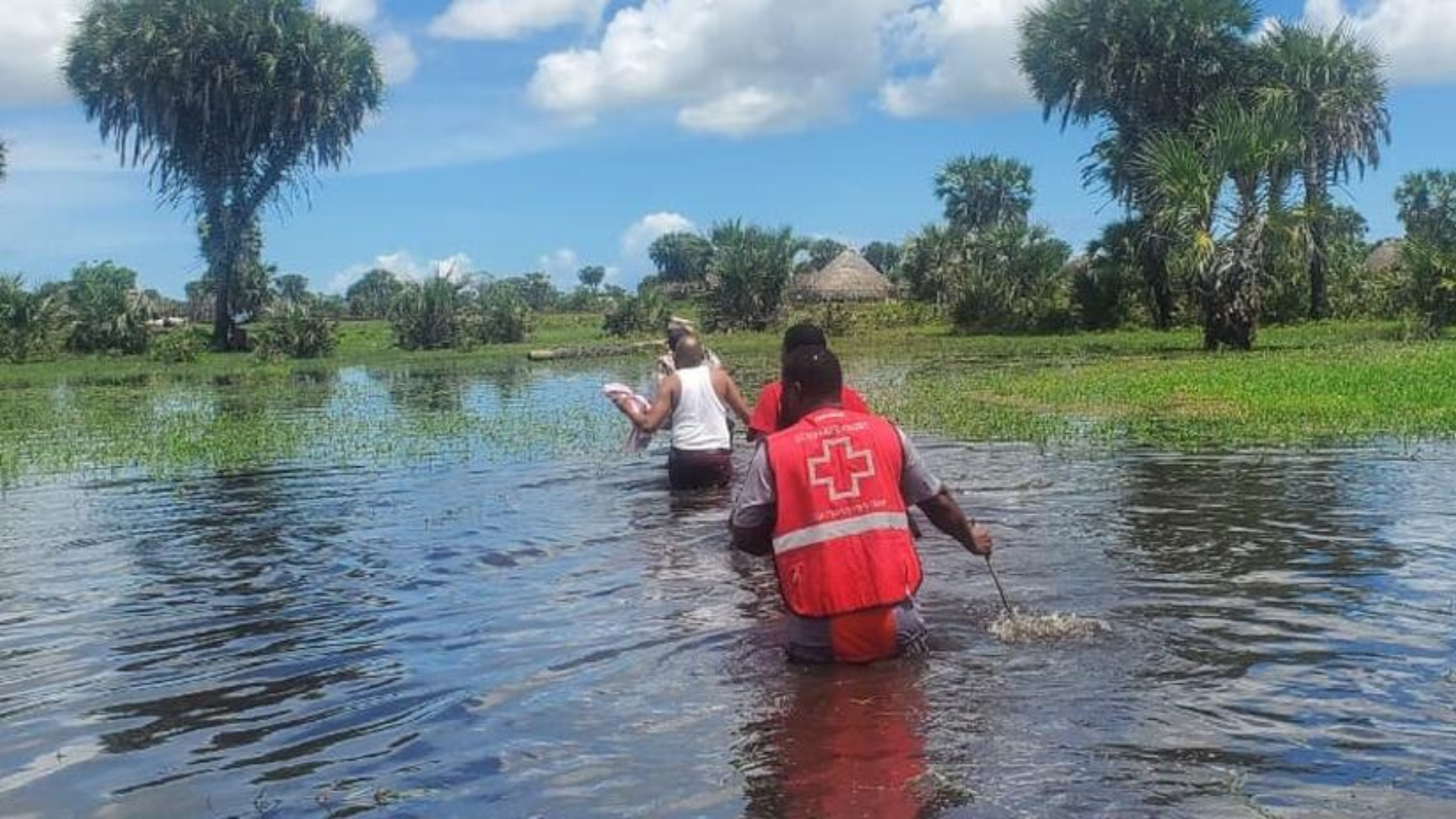
Rather than waiting for disruption to occur, this approach uses scientific evidence and forecasting tools to strengthen preparedness, protect vulnerable communities, and safeguard livelihoods before conditions peak. For example, they are already anticipating the need to stage food aid [4].
Building resilience requires organisations to move beyond awareness and take deliberate steps to reduce vulnerabilities before disruption occurs. Given the specific nature of El Niño's risks, several strategies are particularly relevant:
-
Use forecasting and early warning systems: Leverage seasonal forecasts, climate data, and predictive technologies to monitor developing El Niño conditions and activate preparedness measures in advance, rather than waiting for impacts to materialise.
-
Conduct El Niño-specific risk assessments: Map how El Niño could affect your specific operations, supply chains, infrastructure, and workforce, accounting for geographic exposure, sector sensitivity, and the variability of effects by region and timing.
-
Strengthen supply chain resilience: Diversify suppliers and avoid overreliance on climate-vulnerable regions likely to be affected by drought, flooding, or extreme heat during El Niño events.
-
Invest in infrastructure adaptation: Upgrade facilities and critical systems to withstand El Niño-related stresses, including heat, flooding, water scarcity, and energy disruptions driven by reduced hydropower capacity.
-
Improve water and resource management: Implement water conservation strategies and assess dependencies on climate-sensitive resources, particularly in regions where El Niño is associated with prolonged drought.
-
Integrate climate risk into business planning: Treat El Niño as a recurring strategic risk rather than an isolated weather event, embedding it into scenario planning, operational forecasting, and long-term investment decisions.
Beyond these El Niño-specific priorities, broader resilience measures including building operational flexibility, protecting employee health and safety, strengthening internal communication, and regularly testing preparedness plans, remain important foundations that no organisation should overlook.
Building resilience to El Niño cannot rely on a universal approach. The impacts of these events are unevenly distributed, and the capacity to prepare for them is equally unequal. Regions already facing pre-existing vulnerabilities, such as water stress, food insecurity, weak infrastructure, or limited institutional capacity, are likely to experience disproportionate consequences. Effective preparedness therefore requires context-specific approaches that reflect local vulnerabilities, regional climate realities, and differing levels of adaptive capacity [3].
Closing – relevance to RWN
El Niño is not an unpredictable black swan – it is a known, recurring, forecastable event that organisations consistently fail to build into their resilience planning. That gap between what is knowable and what is acted upon is precisely what the Resilience World Nexus Summit (Church House Westminster, London, 6–7 October 2026) exists to close. The summit will examine how organisations can move from reactive crisis management to genuine climate resilience,treating El Niño not as an act of God, but as a strategic risk that can be anticipated, prepared for, and managed.
References
[2] https://www.bbc.com/news/articles/cj97npgk92po
[4] https://edition.cnn.com/2026/05/19/climate/super-el-nino-impacts-history-climate
[6] https://www.independent.co.uk/news/world/americas/el-nino-climate-heat-record-storms-b2971813.html
[7] https://www.science.org/doi/10.1126/science.adf2983
[8] https://journals.ametsoc.org/view/journals/clim/39/1/JCLI-D-25-0227.1.xml
[9] https://wmo.int/news/media-centre/wmo-confirms-2024-warmest-year-record-about-155degc-above-pre-industrial-level https://wmo.int/news/media-centre/wmo-confirms-2023-smashes-global-temperature-record
This article was authored by the Resilience World Nexus Summit (RWN) team.