)
)
)
XRPL, CZT, NISAR & LM: The Acronyms Shaping the Next Decades
A few months ago, a group of business leaders gathered to discuss resilience and future risk, covering familiar themes like cybersecurity, inflation, geopolitics, climate change, and artificial intelligence. Then a simple question shifted the tone of the room: “What are we missing right now that will become obvious five years from today?” The answer lies in how history consistently unfolds – the most significant shifts rarely arrive loudly or obviously at first, but emerge quietly through technical language, unfamiliar acronyms, and ideas that initially feel too specialized to matter.
If history is any guide, the forces shaping tomorrow are already emerging today, largely unnoticed by most of us. No one can predict the future, but if I had to choose four acronyms that are likely to become part of the language of business, resilience, and even your pension portfolio over the next five years, they would be XRPL, CZT, NISAR, and LM. They may seem obscure today, but each is quietly reshaping how we detect threats, understand our changing environment, move value, and make decisions – not because they are fashionable, but because they solve real-world problems.
XRPL – Faster Movement of Value
The XRP Ledger (XRPL) is a blockchain network designed for fast, low-cost cross-border payments, settling transactions in seconds rather than days.
Traditional global payments rely on multiple intermediary banks, which increases cost, delays, and operational complexity. XRPL reduces these friction points by enabling direct, near-instant settlement between parties.
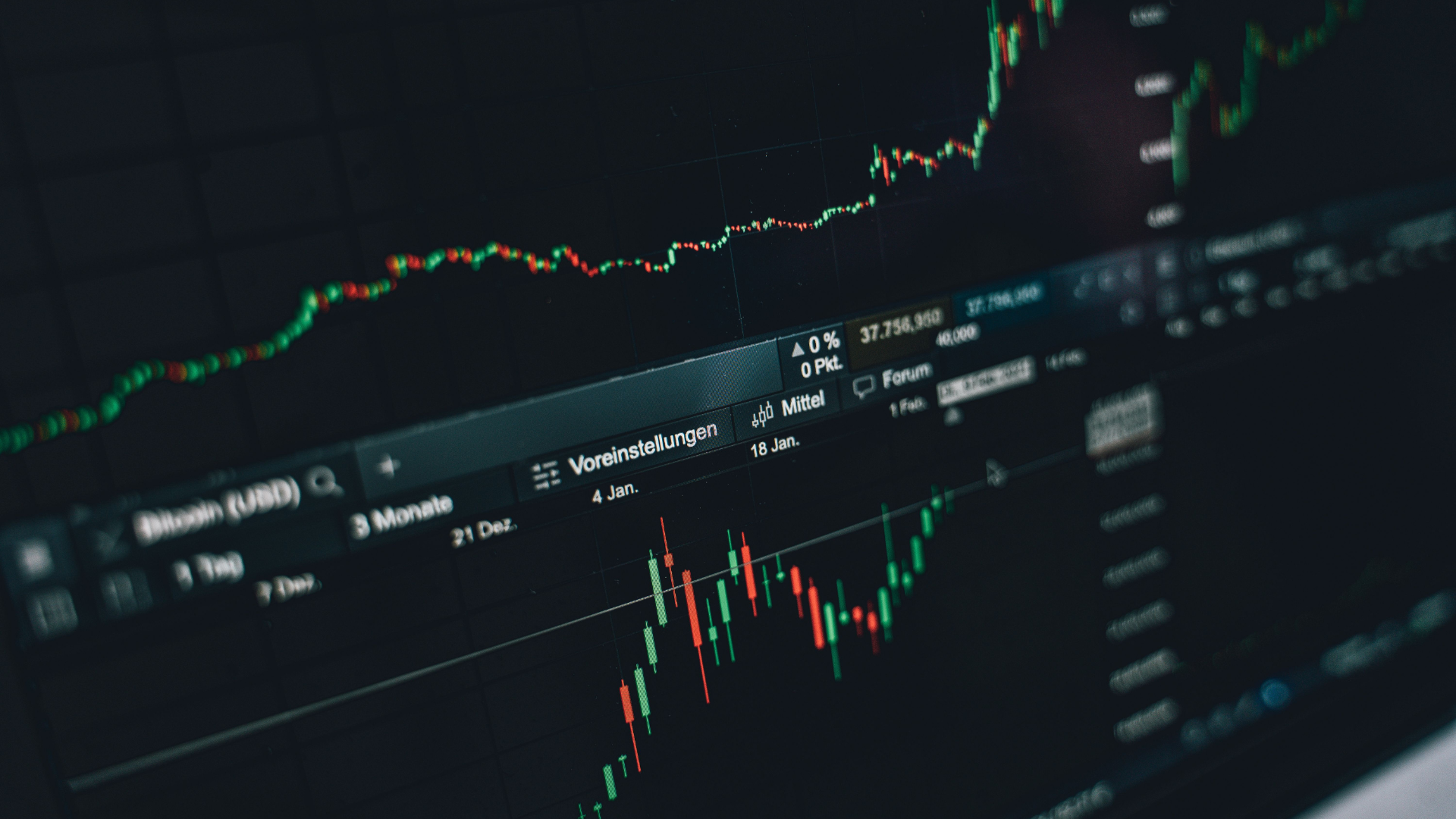
For multinational organizations, this has real implications. Treasury operations, international payments, and currency conversions are not just administrative functions; they carry significant cost, complexity, and exposure. Delayed settlements, high transfer fees, and reliance on correspondent banking networks can create inefficiencies that directly affect cash flow and operational agility. Emerging financial infrastructure such as XRPL offers an alternative approach that some organizations are now beginning to explore seriously.
That does not mean every organization will adopt these systems overnight. Regulatory frameworks differ, and institutional adoption is still evolving. However, keep an eye on developments such as the proposed US CLARITY Act, as clearer regulation could accelerate the use of tokenized financial systems. If this direction continues, tokenized money transfers could reshape parts of global finance in ways that organizations cannot afford to ignore.
CZT – Seeing What Was Previously Invisible
Cadmium Zinc Telluride (CZT) is a semiconductor material used in advanced radiation detection and imaging systems. Its key advantage is that it works at room temperature and can be built into compact, portable devices, unlike older bulky systems that require controlled environments.

This makes high-quality radiation detection far more practical in real-world settings such as border security, ports, hospitals, and industrial sites. For example, a customs officer can now use a handheld CZT-based scanner to quickly screen cargo containers for radioactive materials without waiting for a full lab analysis, while hospitals can use CZT-based imaging to improve diagnostic accuracy with faster results.
The shift is simple but important: detection is becoming portable, scalable, and usable in the field rather than confined to specialist facilities. The implications for security are significant – reducing delays, improving early detection, and helping organizations prevent threats, crime, and losses with greater speed and efficiency.
NISAR – The Earth is Now Readable in Near Real-Time
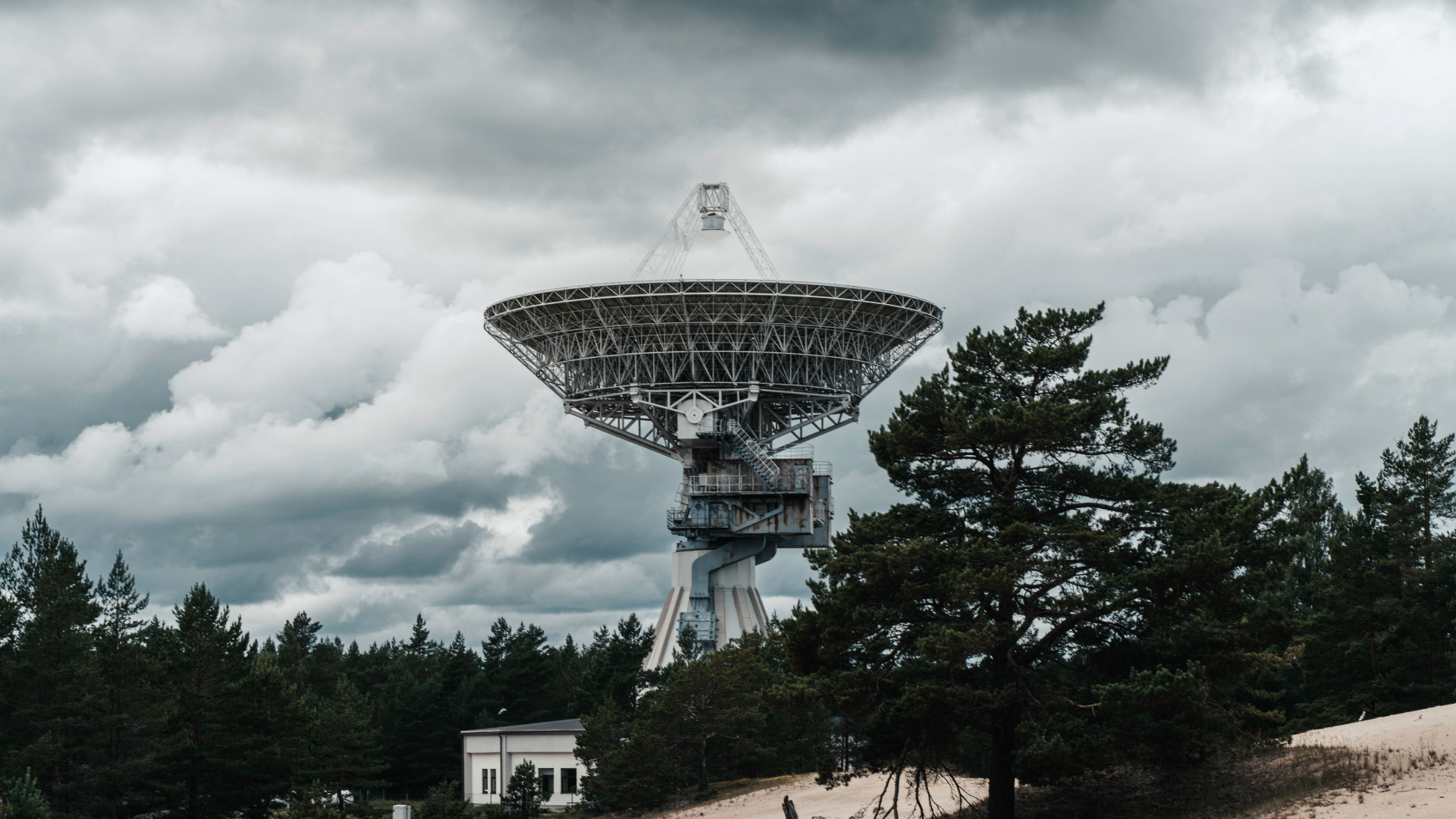
NASA and Indian Space Research Organisation’s NISAR mission uses advanced radar satellites to scan almost all of Earth’s land and ice every 12 days, tracking even small changes in the planet’s surface.
It can detect ground movement, flooding, glacier melt, landslides, and infrastructure shifts with high precision. This allows organizations to move from reacting to anticipating environmental risk.
For businesses operating in climate-sensitive regions – which now includes much of the world – this changes the game. Disruptions to supply chains, damage to assets, operational shutdowns, and community emergencies are all connected to physical changes in the environment. NISAR provides a new layer of visibility, helping organizations identify emerging risks earlier and make more informed decisions before those risks escalate into crises.
Traditional business continuity planning has largely relied on historical patterns and assumptions about climate and environmental stability. That approach is becoming less reliable. NISAR represents a move toward a more realistic and data-driven understanding of physical risk – one based on what is happening on the ground today, not just what happened in the past.
LM – The Redefinition of Work and Decision-Making
Language Models – the AI systems that can read, write, analyse, and reason at scale – are often seen mainly as productivity tools. But that view misses the bigger shift.
Yes, they speed up tasks like drafting, summarising, and searching. But their real impact is in compressing the time between information and decision. Work that once took days of analysis – reviewing reports, assessing risk, or comparing scenarios– can now be done in minutes.

This matters most in areas like business resilience and crisis management, where decisions depend on fast, accurate interpretation of complex information. Language models don’t replace human judgment, but they significantly strengthen it by improving the speed and quality of decision support.
The key challenge isn’t whether to adopt them, but how to use them responsibly. Without proper governance and human oversight, they can introduce new risks. With the right design, however, they become a powerful tool for faster, clearer decision-making when it matters most.
What Connects All Four
XRPL, CZT, NISAR and language models aren’t unrelated innovations – they point in the same direction. Together, they are pushing the world toward real-time awareness and faster response.
Detection is becoming near-instant. Physical environments are easier to monitor and interpret. Financial systems are moving value more quickly and with fewer frictions. And analysis itself is becoming far more scalable and immediate.
Put together, the effect is a shrinking gap between sensing what is happening and actually responding to it. That gap is where most operational advantage has traditionally lived – and it’s narrowing fast.
In that kind of environment, advantage won’t come from scale, location, or legacy systems. It will come from how quickly an organization can pick up weak signals, connect information across domains, and make good decisions under time pressure. These technologies are part of the infrastructure making that shift unavoidable.
The RWN Summit will provide an opportunity for leaders to better understand how emerging technologies are reshaping organisational resilience. Rather than focusing on technical complexity, the summit will explore where new technologies create strategic risks, dependencies, and opportunities that require informed leadership.
By bringing together resilience practitioners, business leaders, and technology experts, the summit will help participants identify emerging exposures, strengthen critical capabilities, and make more informed decisions about future resilience investments. The focus is on equipping leaders to ask the right questions and build resilience before today's technological changes become tomorrow's crises.
This article was authored by the Resilience World Nexus Summit (RWN) team.