)
)
Supply Chain Weaponization: Lessons from the Red Sea Crisis
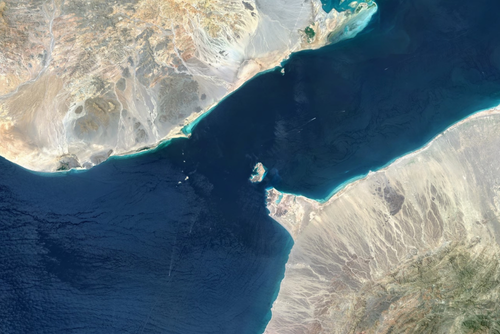
Every country and every organisation in the world will feel the impact of the closure of the Strait of Hormuz, whether through price increases of oil and fuel, or increased supply, manufacturing and logistics costs, or secondary socio-economic impacts as a result of escalating CPI and food shock. No one is immune. It is therefore gravely concerning that senior political leaders are only now calling for lessons to be learned in resilience from the Strait of Hormuz situation.This is not the first time waterways in the region have been weaponised – so what should we have learned earlier?
The 2023 Red Sea Crisis
Prior to 2023, the Red Sea, with the Bab el-Mandeb Strait in the south and the Suez Canal in the north, was one of the world’s most reliable and efficient maritime trade corridors, forming a critical link between Asia, Europe, and the Middle East. Beginning in late 2023, the Houthis, an Iran-aligned armed group based in Yemen, declared their solidarity with Palestine in the conflict with Israel. Around the Bab el-Mandeb Strait, they started targeting shipping they claimed was linked to Israel and its allies with missiles and drones. While the attacks did not physically close the Red Sea or the Suez Canal, the disruption of confidence and safety in this vital corridor quickly rippled across global supply chains, demonstrating how non-state actors can leverage geography to disrupt global commerce at scale. What had long been one of the world’s most reliable maritime corridors suddenly became a high-risk chokepoint.
Impact on Business
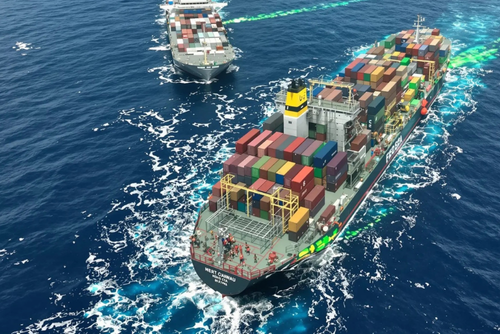
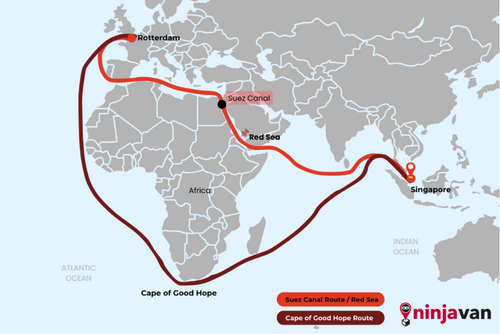
Shipping through the Red Sea, and particularly the Bab el-Mandeb Strait, became a high-risk endeavour during this period. The immediate operational threats included direct exposure to missile and drone attacks, attempted boardings, unexploded ordnance, security cost escalations and war-risk insurance surcharges. To avoid these risks, many organisations within the shipping industry suspended transit through the Red Sea and sent their ships around the Cape of Good Hope, rerouting transit around the African continent. This resulted in longer transit times, often adding 10 to 20 days to deliveries. For shipments travelling to Europe from Africa, transit time increased by 12 days when rerouting around Africa1.
This change in route exposed organisations to a variety of risks, including but not limited to:
- Higher operational costs including surging insurance premiums, increased fuel consumption, and increased crew time.
- Higher landed costs for goods due to increased shipping, freight, and insurance charges.
- Schedule unreliability and fleet utilization challenges as longer voyages reduced available capacity.
- Exposure to piracy.
- Increases in carbon emissions per voyage2.
- Inventory shortages and stockouts and/or production slowdowns or shutdowns especially in just-in-time operations.
- Contractual penalties or lost sales from missed or delayed deliveries, with needs for emergency sourcing.
Note however, these disruptions were not being experienced equally, with Small Island Developing States (SIDS) and Least Developed Countries (LDCs) experiencing the worst impacts3. In addition, rising congestion at African ports along the adapted route highlights the urgent need to expand capacity and improve operational efficiency to strengthen connectivity4. Clearly, there was a necessity to strategically reassess chokepoint dependence.
Building Resilience
Ultimately, protecting global supply chains means treating them not just as commercial systems, but as strategic assets that must withstand geopolitical shocks, environmental stress, and an increasingly uncertain world. The United Nations Conference on Trade and Development outlined in their 2024 review of maritime transport just a few suggestions for addressing the vulnerability of maritime supply chains and building resilience.
- Reduce overreliance on long, concentrated supply chains by diversifying sourcing, manufacturing locations, fuel types, and transport routes to avoid single points of failure.
- Invest in infrastructure and capacity, including ports, storage facilities, pipelines, and bunkering, to reduce congestion, increase buffers, and improve reliability during disruptions.
- Expand and integrate transport modes (sea, rail, road, air) to bypass chokepoints and maintain cargo flows when maritime routes are disrupted.
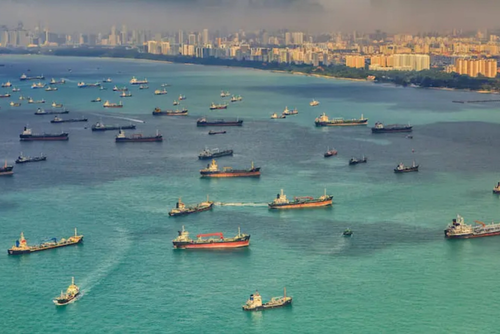
- Rebalance efficiency-driven models by increasing inventory levels and moving away from extreme just-in-time approaches to better absorb shocks.
- Leverage technology and data, such as demand forecasting, early warning systems, and capacity-optimization tools, to improve preparedness and real-time response.
- Strengthen the supply chain workforce by recognizing and supporting critical roles (dockworkers, seafarers, truckers, rail workers), as labor shortages can intensify disruptions.
- Enhance coordination and cooperation among shippers, logistics providers, ports, and governments to improve efficiency, reduce delays, and manage crises collectively.
- Improve international collaboration and trade frameworks to ensure more predictable maritime trade flows and coordinated responses to geopolitical and systemic risks.
- Develop contingency planning that includes alternative routes, ports, and logistics strategies to maintain continuity when chokepoints are disrupted.
While the Red Sea Crisis is a powerful example of how maritime trade routes can be disrupted and even weaponized, we are seeing in present time that it is far from an isolated case. As geopolitical tensions continue to rise in the Middle East, the strait of Hormuz represents another critical chokepoint under pressure, where disruptions are sending shockwaves across energy markets and global supply chains far beyond the region. Let this be a stark reminder that maritime trade routes are inherently vulnerable – not just to geopolitical conflict, but also to disruptions from climate change and other systemic shocks.
For resilience leaders at the Resilience World Nexus, it is an essential case study in the fragility of just-in-time supply chains, the vulnerability of chokepoints, and the urgent need for diversified, adaptive strategies that protect global commerce against a range of risks. As the cost and security of oil, gas, aluminium, and fertiliser become daily realities for every country, business, and individual, let’s not miss another opportunity to put in place proper, long-term, strategic global resilience.