)
)
Surviving Social Media – The Rise of Cancel Culture
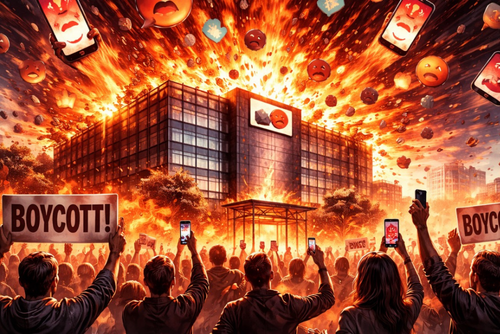
The development of social media has been transformative for the corporate world, supplying organizations with novel marketing opportunities through speed and reach. However, those same tools that enable speed and reach have also fostered a culture of accountability, where the public has the collective power to challenge brand shortcomings. This has quickly evolved into cancel culture, where one viral moment that is negatively perceived can now activate a wave of backlash and criticism, triggering boycotts, and presenting a real tangible threat to business continuity. The modern world has placed reputational risks at the centre of adaptive resilience.
What social media has brought to organisations
The development of modern social networking has fundamentally reshaped how businesses grow, communicate, and compete. Thanks to social media platforms like Facebook and Twitter to Instagram and TikTok, businesses have acquired unprecedented speed and reach with their customers, enabling rapid brand building and product launches, direct customer engagement and real-time customer feedback, global marketing, and much more. This all comes at a fraction of the cost of traditional media and allows brands to skip the intermediary by personally promoting their brand on their social media accounts.
Social platforms as accountability engines
The increasing use of social media has also created a shift in how accountability is enforced. Thanks to social media, consumers and employees can publicly challenge organizations through instant reach and collective power. Anonymity and distance give individuals the confidence to participate, amplifying volume and intensity, and generating pressure for organizations to create positive change.
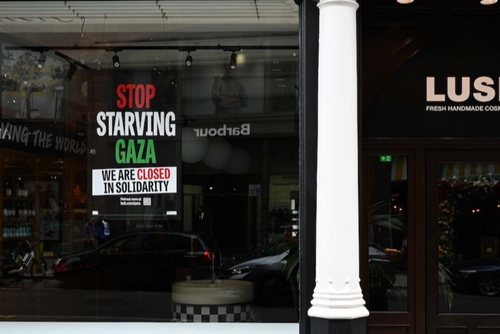
Companies are expected to take positions on ethical issues, and live up to those values consistently, where a misalignment between the two is quickly identified and publicly judged. Social platforms have very quickly evolved into accountability engines. This can promote transparency, improvements in corporate behaviours, and help businesses understand their target audience. Genuine wrongdoings are exposed, and positive change is nurtured.
Unfortunately, accountability culture has blurred into cancel culture, where public responses to perceived wrongdoings are punitive, ignore nuances, and carry the goal of destroying a brand rather than holding it accountable to allow for positive change.

How social media fails us – Cancel Culture
Just one viral post, comment, advertisement, or even a leaked internal communication, that the public deem socially, ethically, or environmentally wrong, can quickly turn into public scrutiny and widespread backlash, in just a matter of hours. Thriving on emotion, virality, and speed, cancel culture triggers and rallies a cascade of outrage that sees criticism and even boycotting. Branded by #Cancelled, this is only further entrenched by algorithms that reward engagement, driving traffic to the issue. Critically, context is often ignored, and judgement is passed before a brand can respond. As a result, it becomes difficult to predict how this volatile environment will respond to online brand presence and participation.
This sudden and unpredictable reputational risk does not stop at ruining brand image and can quickly extend into tangible operational and financial impacts, often outlasting the original incident.
- Revenue Disruptions: Boycotts and loss of subsequent customers, operation disruptions, delayed strategic initiatives, cancelled contracts and partnerships, stock volatility, forced costly crisis responses, directly materialize into loss of sales/ revenue and decreased revenue continuity.
- Talent Risk: Employee morale may decline through perceived illegitimacy of their position or their company, key staff may resign, and recruitment can become more difficult.
- Partner and Investor Pressure: Suppliers, sponsors, and investors may distance themselves to avoid contagion risk.
- Leadership Distraction: Crisis response diverts executive attention from strategy and growth.
- Regulatory and Legal Exposure: Public scrutiny can attract investigations or litigation, even where allegations are unfolded.
- Decreased brand equity: Weakened brand value, reputation, and customer loyalty and trust.
One completely novel example involves the resignation of the Astronomer CEO following an incident at a Coldplay concert where the male CEO was seen acting inappropriately with a female co-worker, who was not his partner. The personal lives of company employees and leaders also pose reputational risks for brands, creating pressure on staff unlike ever before.
Responding to Cancellation
Avoiding Cancellation
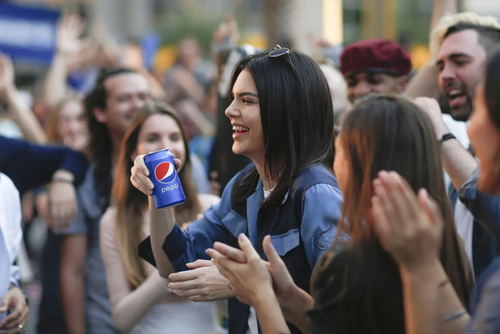
Preparing for this risk involves both mitigating the fallout of being ‘cancelled’, but also implementing strategies to avoid the backlash in the first place. While it is difficult to avoid being cancelled in its entirety due to the volatility of the environment, the chances of being exposed can be significantly reduced through deliberate preparation.
- Values Alignment: Ensure corporate values are clearly defined, operationalised, and reflected in decision-making, not just marketing.
- Cultural Awareness: Understand social sensitives across operating regions and customer bases. It can be very easy to fall prey to local political dynamics and culture wars. It is also crucial to understand how polarized your customer base is, which helps predict how far the other way you can go before backlash. Current social environments are extremely polarized (e.g., conservatives vs liberals).
- Governance and Oversight: Establish review processes for high-visibility communications, campaigns, and leadership statements.
- Social Media Intelligence: Monitor sentiment, emerging narratives, and early warning signs. Be aware of reasons why similar brands get backlash to know how to avoid them. Collaborations with controversial figures are a common cause, so monitor social media news and run background checks.
- Training Leadership and Staff: Equip teams to understand the downstream impact of digital actions. Employee training should extend beyond workforce behaviour – employees personal lives reflect the brand more than ever now.
Mitigating Fallout
When something slips between the cracks and a business is branded #Cancelled, organizations need to be prepared for response. Often the public expects a quick response from the brand, therefore, speed and structure are crucial in mitigating fallout. In fact, effective responses can harness the media frenzy and drive positive engagement.
- Rapid Decision-Making: Predefined escalation thresholds and authority lines reduce paralysis. Responding rapidly can be crucial, because taking too long to respond can prolong negative media coverage.
- Clear Communication: Acknowledge concerns with speed but without jeopardizing quality, avoid dismissiveness, defensiveness, and inconsistency, and communicate facts transparently.
- Internal Alignment: Ensure leadership, legal, HR, and communication teams operate from a single narrative.
- Stakeholder Prioritisation: Protect employees, customers, and critical partners first. When necessary, satisfy employee concerns as well, as they may very well be part of the online public.
- Adaptation: Know when to engage, when to apologise, when to correct, and when to disengage. Sometimes, the right amount of negative virality can be turned into awareness and engagement, so understand how your customers will react.
These strategies don’t guarantee that fallout will be completely negated because cancel culture is often unforgiving. However, they do ensure that fallout is mitigated as much as possible, which could be the defining difference between irreparable issues.

Why Cancel Culture matters to resilience?
For every advancement made in the world there is a threat that follows. Technological advancements are extremely beneficial to organizations, yet in the case of social media, they can digitally amplify human-made threats. Cancellation is a unique threat because it is driven by perception as much, if not more, as by reality. It is crucial to understand that cancel culture is not just a reputational issue, it is a business continuity risk.
For resilience leaders, this demands a broader definition of resilience, one where reputational issues represent a business continuity threat, where social legitimacy, trust, and narrative control are now core critical dependencies, and where cultural awareness, values alignment, and rapid-response governance are necessary preparation strategies. Failing to integrate reputational risk into resilience planning makes organisations vulnerable to sudden, destabilising shocks.
Conclusion
Resilience in this evolving digital environment requires accepting a new reality – visibility equals vulnerability. Social media has been transformative for the corporate world and future technological advancements may very well only further amplify the experience of social media. Understanding that cancellation is not a distant threat, but rather one to prepare for, is crucial for surviving social media crises. Investing in foresight and response capacity are necessary for avoiding and mitigating fallout, and emerging more trusted, more adaptive, and more resilient.